 “So, what did you want to know?” Scott asks placing the bottle of wine on a coaster.
Tom stands, adjusts the flame and walks to the sofa where he sits. Scott sits cross-legged at the corner. “Well, how you came to be here. Not here, in my house per ce, but, I guess, how you came to be period. I mean, I know about your mom and your dad and how they came from China and about your sister, but I don’t really know anything about you besides you’re an excellent kisser and I love the softness of your skin and blackness of your hair and your smell. I want to know about you.”
Tom reaches for the bottle and pours himself more wine and refills Scott’s glass all the while struggling with the desire to simply strip him naked and bring them both to a mind-blowing orgasm. Scott remains steadfastly silent. “You don’t have to tell me, if you prefer,” Tom adds finally.
“I don’t know how to answer. I mean, no one has ever asked me that question before. Has anyone ever asked you to tell them about yourself? How do you answer that question? I feel like anything I say will sound grossly trite and insignificant.”
“But those are the things I want to hear. And I’d rather than hear them now. . .than after. Maybe I’m afraid that. . .after. . .you won’t feel so compelled to share them with me,” Tom says feeling suddenly embarrassed and insecure. “I’ve never had anyone over to my house like this,” he admits.
“Like this, like what?” Scott asks.
 “Like you,” Tom continues. “And it’s not like I’m trying to protect the house or even myself for that matter. It’s just that this is all so unusual. This morning, this day, tonight, even you. It’s all very unusual. I don’t normally behave this way, not that the way I’m behaving is bad, it’s just different. Different is all. And I guess I want to understand you. In a way that’s bigger or deeper or larger than kisses and erections and orgasms,” Tom says sheepishly.
Tom feels that slight sickening feeling of overexposure, that sorrow you feel when you realize you’ve stayed out in the sun too long and you’ve got a fitful night of prickly sunburn ahead of you. Perhaps he should’ve kept his mouth shut and quickly stripped Scott in the kitchen and wasted no more than ten minutes including the awkward “so long.” Perhaps by now he’d be in his shower washing away the remnants of weakness. Simple. Easy. Clean.
Tom takes a long swallow of wine and looks at Scott, at the front of Scott’s jeans which no longer suggest his passion, but which now sit folded politely much like his own. All that remains of their bodies collision against the countertop is an unforgiving stickiness.
“I never knew what I wanted. Growing up, I never knew what I wanted. What I wanted to do, wanted to be, or who I wanted to be with. I knew almost immediately what I didn’t want. What I didn’t want to do or who I didn’t want to be or who I didn’t want to be with. And it seemed easier, I guess, to eliminate things than to chase things. So I’ve spent the better part of my life in a state of subtraction.
“I never gave it much actual thought, you know, the reason for the activity of eliminating things from my life. I guess I just found it to be an easier way to get by. And somewhere, some time I thought that I’d eventually find something that I’d be interested in enough to actually add to my life. Something that I’d be willing to pursue.”
Scott takes a long drink and studies the wine as though he were reading tea leaves. Tom watches Scott’s intense stare into the wine glass. Leave him alone, Tom thinks. Maybe all Scott wants is a quickie and you’re trying to make it into something more. Maybe all this talk will lead to  nothing. Maybe Scott will find you too needy. Maybe you should simply lean over and kiss him so you can get this over with; but Tom feels that their attraction has waned.
“I can give you a ride home if you’d like,” Tom says quietly, uncertain of Scott’s desire to stay.
“Why? Did I say something wrong?”
“No, no you didn’t say anything wrong. I just thought that. . .” Tom adds quickly, trying to allay Scott’s uncomfortableness.
“See? This is exactly the reason why I never tell people what I’m thinking! It’s like they think they want to hear it, and then when I’m straight with them they realize that they’re not really interested. It happens all the time. So I think it’s just easier to do what we both want and get it over with. Simple. Clean. Easy,” Scott says defensively.
Tom stands up and walks to the fireplace for no reason than to move away from Scott. He studies the fire and wonders how this day could end this way. “Well, what is it that you think is so simple, clean and easy?” he says without looking at Scott.
“The same thing you do,” Scott says still studying his wine.
Tom watches the fire immediately realizing that they have reached the fork in the road. The same divergence he has reached scores of times before: the familiar scenarios play out in his head like a montage: Scott stands and lets himself out; Scott stands up and walks to him, kisses him lightly and leaves; Tom walks to Scott, kisses him and they do indeed play out the inevitable, in exchange for the fifteen awkward minutes when scraps of paper with false phone numbers are exchanged and Tom locks the door securely behind Scott. They all seem obvious. They do seem simple and clean and easy.
 Tom rubs his face with his hand, “I don’t think so, Scott. I don’t think I want simple, clean and easy. Not this time,” he admits finally looking at Scott. “I think this time I want it difficult, dirty and hard,” he says walking to the sofa. “And I think it all has to do with you, with you Scott” sitting next to him, “and I think it’s all about me letting someone in and all about you knocking on a door you want to open. I think it’s all about you and me, here and now. I think both of us are done, at least right now anyway, with simple, clean and easy.”
Tom reaches a hand to Scott’s face which he tilts upward. Scott’s eyes meet his. They both sit in silence for a few moments. Tom’s thumb gently caresses Scott’s cheek and chin feeling the soft stubble of his beard. Scott smiles slightly at his tenderness and reaches a hand to Tom’s face which he touches softly. Tom thinks that this is the tenderness discovered between friends, friends willing to be naked and exposed, friends that share intimacies deeper and darker than just sex. These are the moments which relationships are built on he thinks as their tender caresses continue.
Scott leans forward and kisses Tom’s cheek, then pulls away slightly, “no one’s ever taken the time to articulate it like that,” he says, “usually they simply dismiss me. Usually by this time I find myself on the stoop of their house wondering how in the hell I’m going to get home.”
Tom takes Scott’s hand off his cheek and kisses his exposed palm, “but are you up to it, Scott? Up to the difficult, dirty and hard? Because I am, I mean, at least I think I am, right now anyways. If you’re not then I’m not sure I want to complicate this any more,” he admits, again kissing the hand, “and I think that that would be a shame because it seems that we’ve already achieved a certain distance. Given all the opportunities we’ve had today to simply sprint to an orgasm it would seem odd that you’re not up to the long distance run,” he adds.
Scott lifts himself out of the corner of the sofa and kneels at Tom’s side. He leans in close and turns Tom’s face to his and kisses him devotedly, closed mouth, without passion but with longing. “I’ve trained for a run like this all my life,” he says quietly while kissing Tom’s cheek.
 Tom stands and places his wine glass on the coffee table. He moves in front of the fireplace and slowly begins to undress starting with his shirt and opening one button at a time. His fingers move slowly over the fabric feeling its softness, the stitching of the buttonholes; as he pulls the tails out of his trousers Scott takes a drink from his glass, places it on the coffee table next to Tom’s and walks in front of him. Scott reaches for the hem of his fleece and in one smooth motion pulls it over his head and drops it on the carpet at his feet. Tom peels the shirt off his shoulders, pulls his arms out of the sleeves and allows the shirt to slip out of his hand and fall to the floor gathering in a cotton heap.
Scott reaches slowly for the buckle of his belt, pulls on the length of leather which winds its way through loops, tugs at it, and unbuckles the latch. At the same time Tom undoes his own belt. They are now in-sync with each other as they both reach for the closures on their pants: Tom’s clasp and Scott’s button. Both pop open as they grab the metal tab at the top of the zipper and slowly pull down, the metal teeth sliding into a wide-mouthed grin showing the soft fabric of their underwear to each other; Scott’s being steel-gray with Tommy Hilfiger  emblazoned in purple on the waistband and Tom’s being simple, white Nautica boxers. They stand motionless for a moment studying each other. Tom grabs the edges of his wool trousers and lifting one knee withdraws one leg and then the other from his trousers; Scott simply allows the added weight of keys, cell phone and change to draw his jeans off his hips and down his legs like an anchor being dropped into the ocean and settle at his feet. He stands watching Tom fold his trousers neatly laying them on top of his shirt. Scott pulls one foot free from his jeans and then slowly, the other. He kicks the denim to the side. They stand three feet apart in only their underwear looking at each other. Scott moves first, slowly hooking his fingers in the waistband of his shorts and drawing them down his hips, past the curve of his buttocks, out and over his erection and past his thighs releasing his hold on the cotton which folds like meringue at his feet: now naked in front of him. Tom hooks his own fingers into the waistband of his boxers and pulls them in one swift motion off one leg, then the other finally naked to Scott.
Tom feels the heat of the fire brushing his back as he studies Scotts body: his long, lithe neck meeting the angle of his clavicle dissected by its horizontal bones; shoulders which spread out and bend with muscular caps bow slightly at the junction of his biceps and triceps; the mounds of his chest crest with lean muscles and are topped with two, quarter-sized auburn nipples which are separated by small, sparse hairs; the chest falls onto the ribs which look like pale piano keys and descend into the diamond form of his abdominals which drain into the slightly indented bellybutton centering his core; muscles like hands forming a “V” fan out on either side of his groin, a furrow of muscle rising from his crotch up to his hips and disappearing into the flesh of his buttocks; his hairless thighs give way to bony knees and lithe, muscular calves which have a splattering of stray, black hairs.
Scott studies Tom’s form: the wide chest painted by brown hair which continues down his stomach and empties into the hair surrounding his erection; muscular thighs support the heavy foundation; the most obvious characteristic is the abundance of body hair which Scott finds very sexy; Scott yearns to bury himself in Tom’s masculinity.
“You’re absolutely beautiful,” Tom hears himself whisper, afraid he’s sounding trite and wishing he could summon up words he thinks would be worthy of the apparition. He wishes he could utter the oohs and aahs reserved for firework displays he enjoys.
“You’re better than I had imagined,” Scott admits while feeling himself pulled by an invisible string into Tom’s embrace. Better than I imagined, Tom thinks to himself, better than he imagined. No one has ever said that to him before, and, he wondered, if anyone had ever even thought it.
At the same moment they both take steps towards the other and meet in the middle of the carpet, Tom feeling a cooling of his backside and Scott feeling the warmth of the fire wash over his body. They stand less than a foot apart, their hands at the same time begin to touch areas of acute attraction; Scott to Tom’s formidable chest hair, Tom to Scott’s slender hips. At first their touch is tentative, as though they can’t quite believe they have acquired permission, but quickly their caresses gain momentum and purpose. As they move closer together their hips, pressed tightly  together as hands continue to roam, to explore, to touch and discover. Tom’s hand leaves Scott’s hips and move hastily around to his back then hungrily to his bottom, groping, kneading the soft flesh which tightens as Scott pushes himself against Tom, feeling himself being blanketed by Tom’s abundance of soft yet protective hair, recalling a similar feeling when his mother would pull the blanket to his chin and tuck in the sides; bliss he thought, blissful then and simply bliss tonight.
0.000000
0.000000
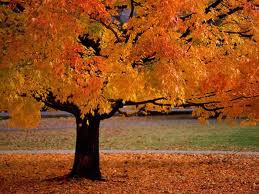 At last it’s arrived, like a visit from my favorite uncle who told tales of unimaginable childhood freedoms (having been raised on a fruit orchard farm). At long last it’s arrived, the darkness of dawn mornings and the dimness of late afternoon twilights. Finally, finally it’s arrived, the season of the apple and the pumpkin and hot cider. And thank God they’re gone, days that grated like my cat’s yowling or, tortuous days akin to the incessant presence of my just-turned-teen sister and her coterie of screeching and cackling teensters (defined as a pimply, high-pitched, recently teened and obstinate-as-hell, alien transmutation); those chronically simmering days followed by feverous and languid nights, the forecasted but broken-promised breeze failed to arrive like those letters from your summer camp romance. Relief has clocked-in, elbowing out a tireless summer which dropped anchor like a battleship of fervent seamen and
 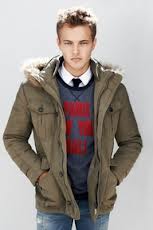 remained well past dry-docking the sailboat. The ease of fruit pie-like single-layered simplicity (shorts sandals shirt) has given way to the time-consuming layered bundling like wrapping grandmamma’s Chatsford teapot for shipping, encasing oneself with layer upon shedable layer.
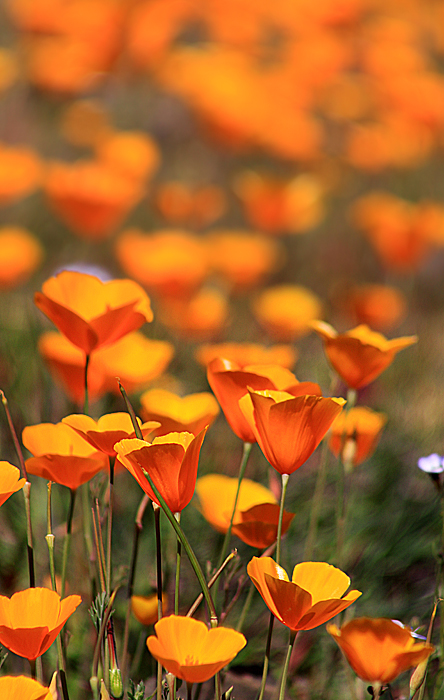
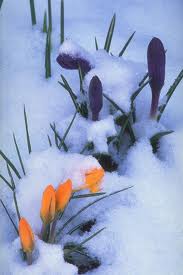 and Fall’s broad strokes of vividly colored canopies which subtly cautions us of life’s temporal cycle. The seasons of change also highlight our world’s overwhelming beauty and diversity; it’s also a testament that every piece of (what we call) life patiently waits its turn to express its individual magnificence, it’s solo, when the world recognizes its achievement during the season’s glory!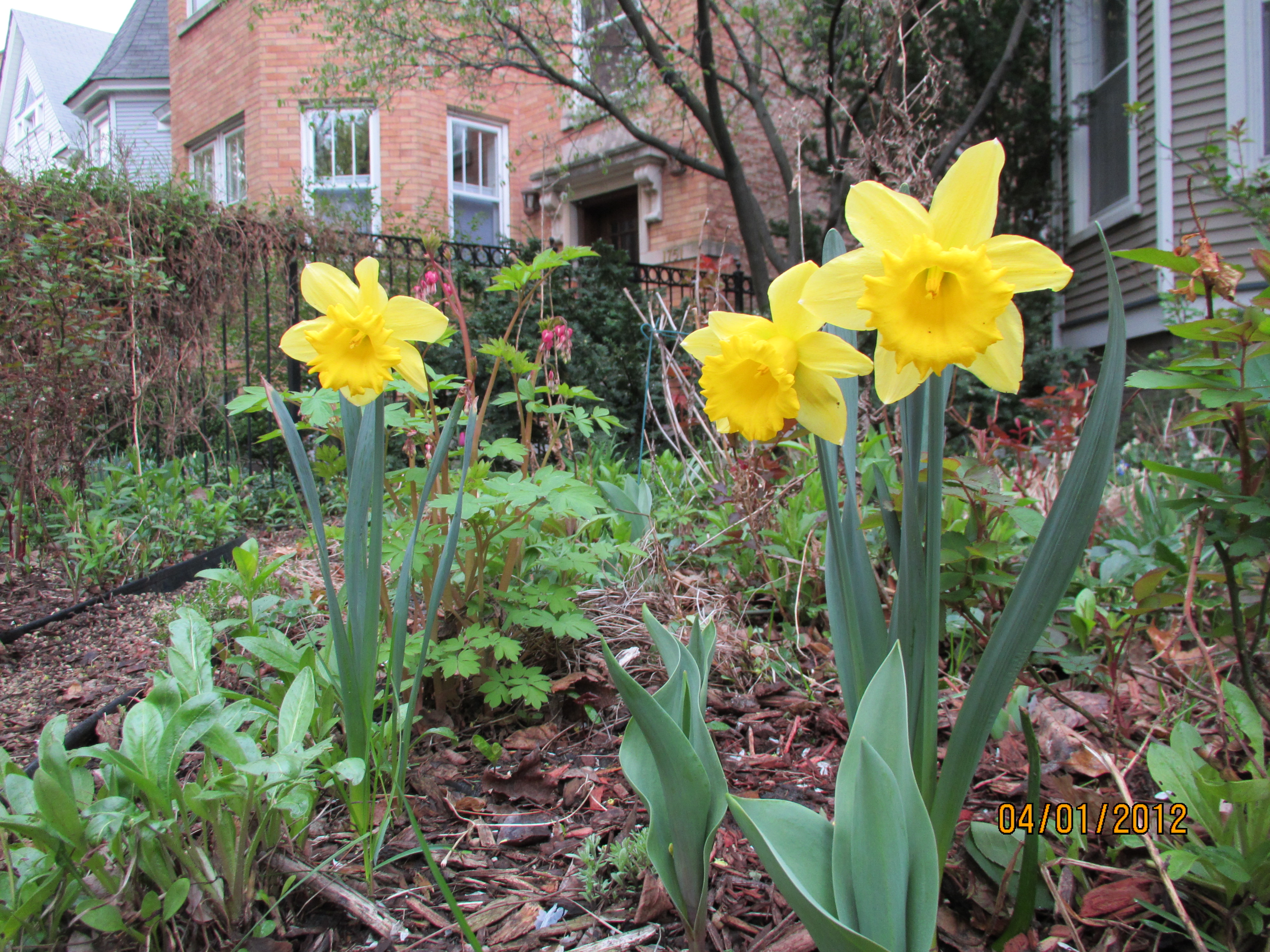









 HARLAN DIDRICKSON